
A spark of AI genius and serendipity in the hands of curious human drug hunters
To my knowledge, this may be the first pain program in which AI helped unite three kinds of novelty at once—a new mechanism, a new target, and a new molecule—carried all the way to a nominated preclinical development candidate. I say “to my knowledge” deliberately: it is a claim I would want a formal prior-art review to test, not settle in a blog. Pain is a field where humans have struggled for millennia. AI helped us reach a place nobody on our team expected to reach. To me, that is simply mindblowing.
It began with a completely unexpected result.
We were already working on several pain programs, including NaV1.8 and neuroinflammatory targets. Those programs led us to purchase a bundle of in vivo studies from a contract research organization. The bundle contained a little more assay capacity than the existing programs needed. A few additional experiments were effectively free.
Our neuroscience team could have left those slots empty. Instead, they used our AI platform to prioritize a small number of unconventional molecules for testing. These were not opioid compounds or ordinary anti-inflammatory agents. They had not been designed as pain medicines. The experiment was not supposed to prove a favorite hypothesis. It was simply a chance to ask the system a strange question.
Morphine was one of the controls. Usually, nothing works better than morphine in these models.
Then one molecule did.
The compound acted against an undisclosed protein we now call Target Z. The name protects the target's identity while the program moves toward the clinic—but it also carries a personal meaning. This program matters enough to me that I gave it the first letter of my family name, Zhavoronkov. It is a private marker, not a claim—a reminder that a name attached to a program still has to earn every result.
The result was dramatic. It was also preclinical, produced with a tool compound, and entirely unexpected. Nobody celebrated. We first tried to prove it wrong.
Why a genuinely new pain mechanism is so difficult to find
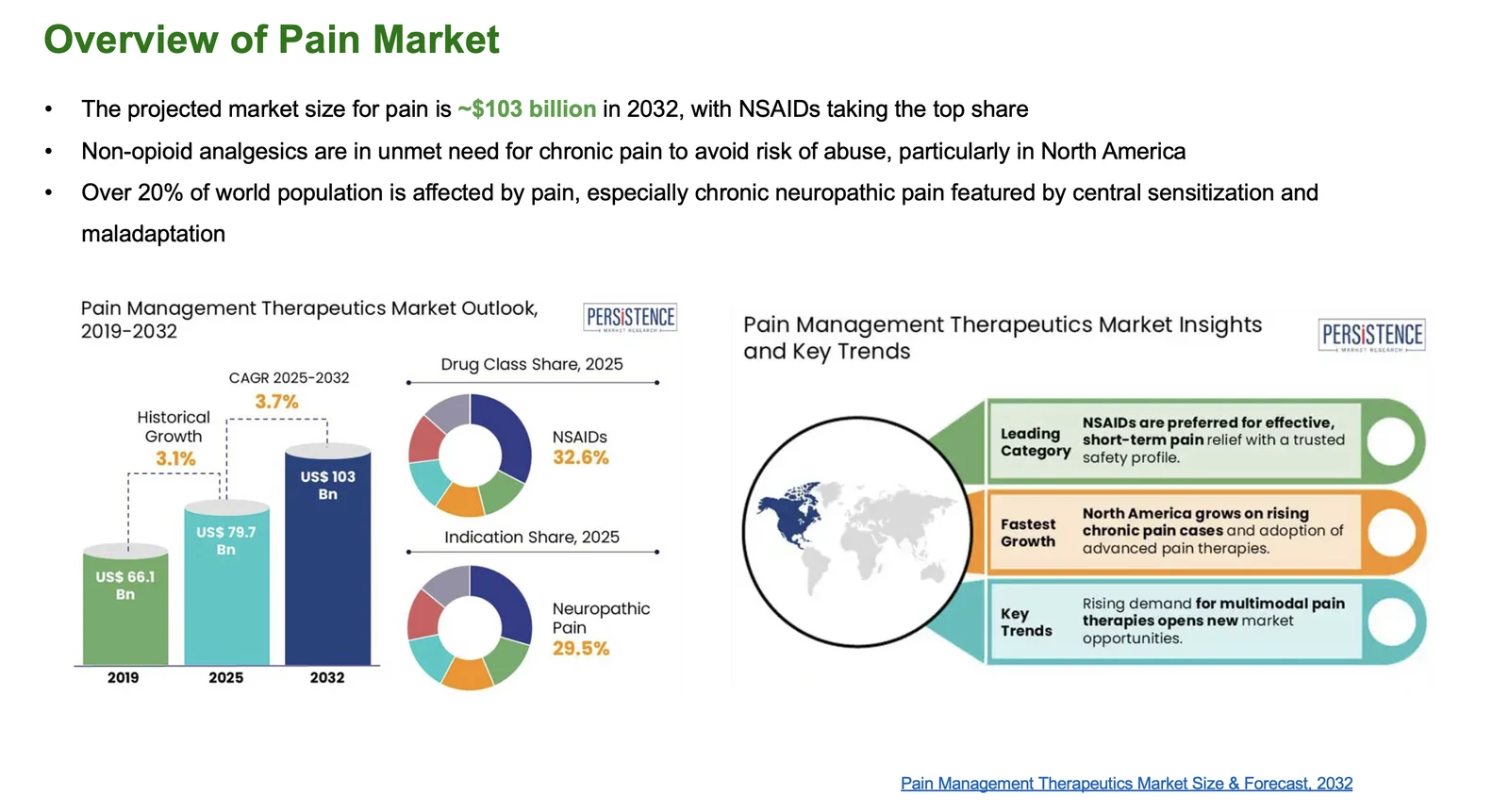
Finding a non-addictive, non-toxic pain mechanism is one of the hardest problems in drug discovery because many pathways we already know how to drug are wired into systems the body needs for other essential functions. Opioids relieve pain through circuitry that also drives dependence and respiratory risk. NSAIDs suppress prostaglandins that participate in inflammation but also protect the stomach, kidneys, and cardiovascular system. Relief and harm repeatedly arrive as two sides of the same biology.
The pharmaceutical industry itself grew up substantially on top of anti-pain medicine. Opium, morphine, and aspirin were not side projects of early pharmacology; for long periods, they were central to it. In some cases it took decades before the full costs became clear. Most obvious biological territory has therefore been searched again and again. To find something genuinely different, one may need a broader map than any single laboratory, paper, or human memory can hold.
The need remains enormous. More than one in five people worldwide is affected by pain, and a large share of that burden is chronic. Available treatments still force trade-offs among efficacy, duration, tolerability, organ toxicity, route of administration, and abuse potential.
AI found the biological neighborhood humans had not assembled
An unexpected assay result is not yet a drug-discovery program. It may be noise, an artifact, an off-target effect, or an error. The first question was therefore not “How do we optimize this compound?” It was “Does this protein have a real relationship to pain?”
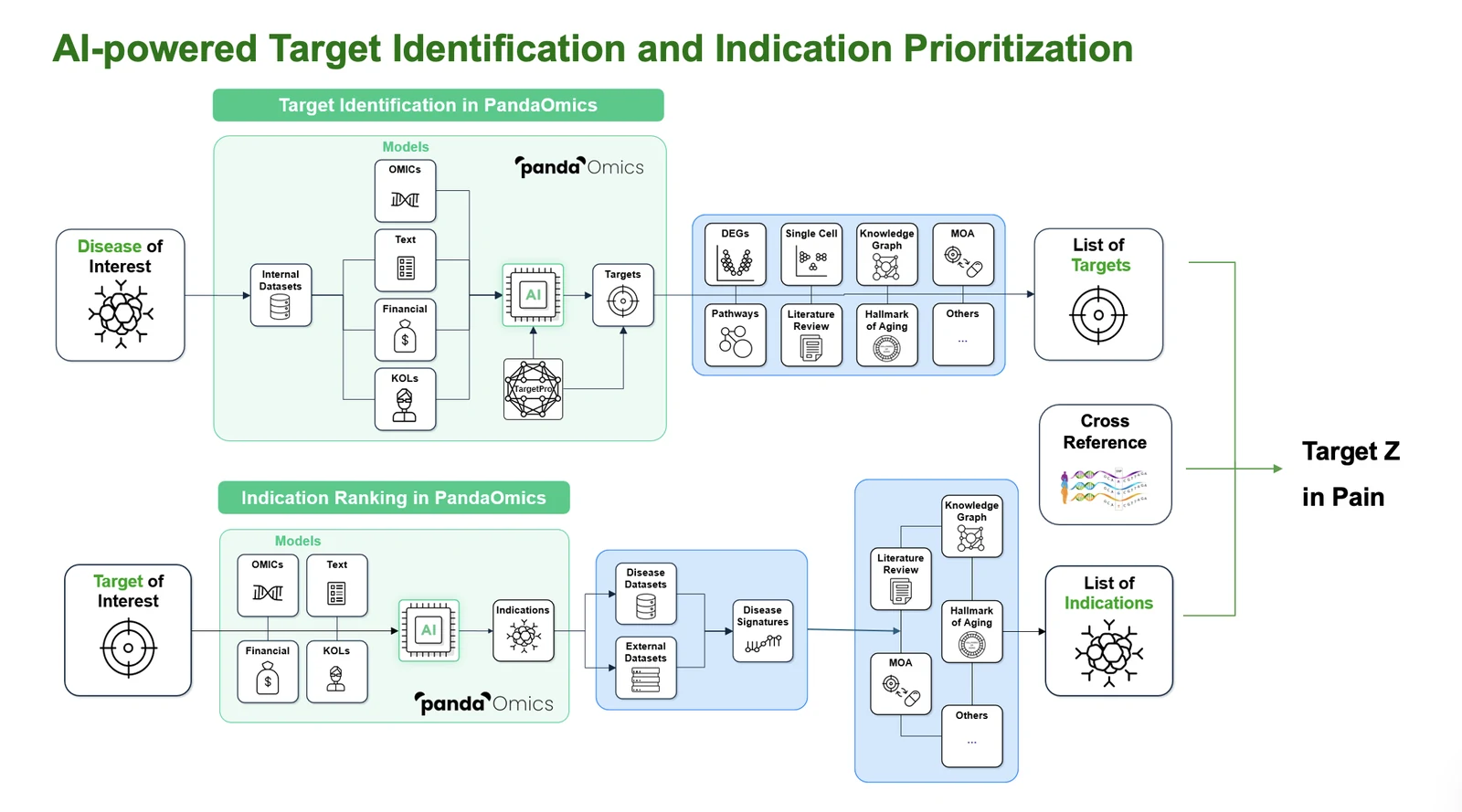
Our scientists used PandaOmics to reconstruct the evidence around Target Z. The platform integrates omics, publications, genetics, pathways, clinical information, single-cell signals, knowledge graphs, commercial tractability, and other evidence. It was not asked to invent a story after the fact. It was asked to examine whether the result belonged to a coherent biological neighborhood.
The answer was sufficiently interesting to keep going. Target Z appeared in pain-relevant cell types. Human genetic evidence supported the relationship. Cross-species and disease-model evidence provided additional context. No single signal was decisive. Together, they converted an anomalous result into a testable mechanistic hypothesis.
The free assay slot became an option on the impossible
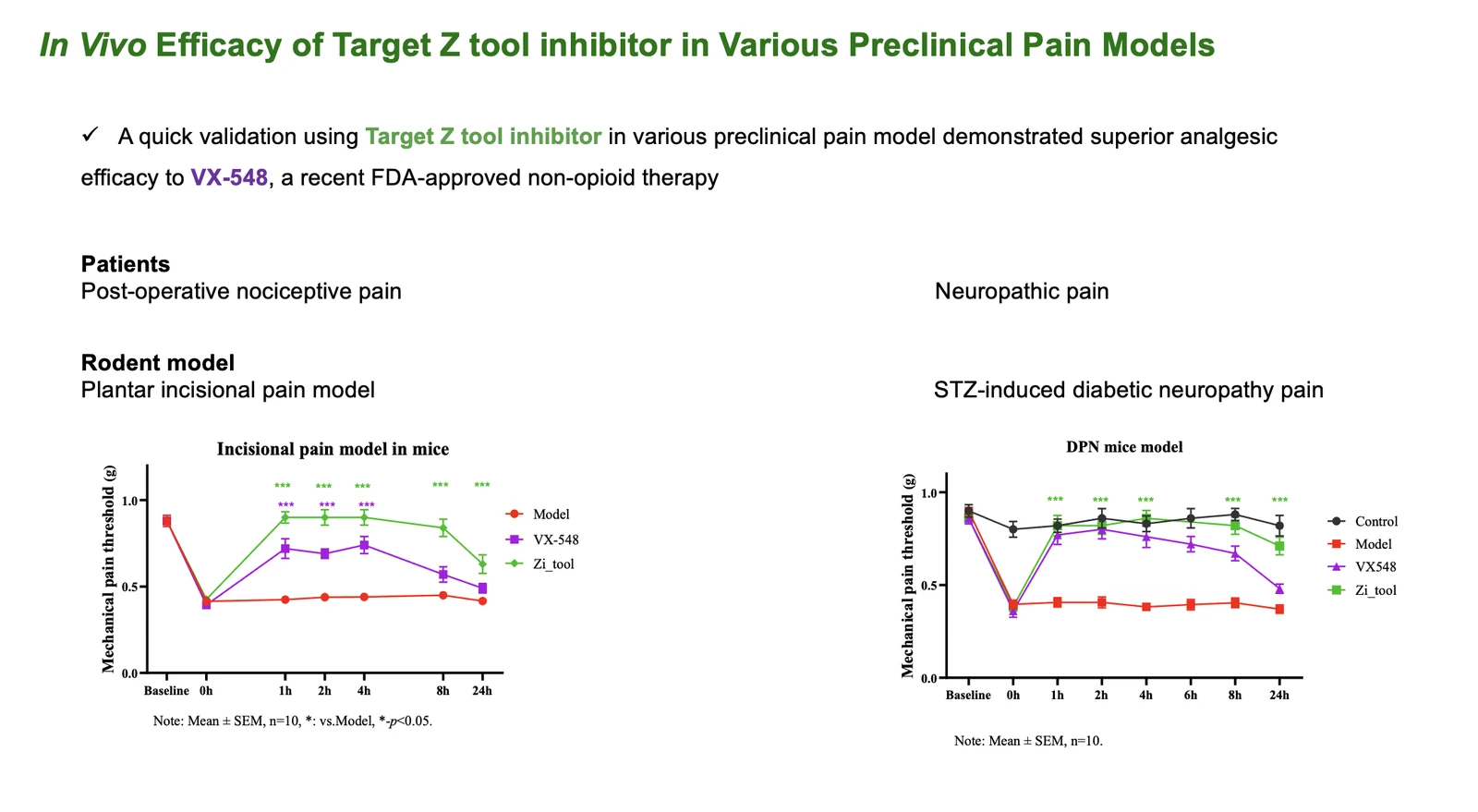
The first follow-up studies used a Target Z tool inhibitor—the original research compound, not ISM9528. That distinction matters. The tool compound helped us ask whether pharmacologically inhibiting Target Z affected different forms of pain. It was not the optimized development candidate we later designed.
Across supplied preclinical experiments, the tool inhibitor showed activity in models of postsurgical nociceptive pain, diabetic neuropathic pain, visceral nociplastic pain, and inflammatory pain. In plantar-incision and diabetic-neuropathy models, its effect exceeded VX-548 in the specific doses and experiments shown below.
Those experiments made the original surprise more difficult to dismiss. But one slide changed how the team felt about the whole project.
The slide that stopped us
Morphine is not a casual comparator in pain research. It is one of the most powerful analgesics ever discovered and the historical benchmark against which extraordinary claims should be treated with extraordinary skepticism.
In the supplied acetic-acid writhing experiment, the Target Z tool inhibitor reduced the number of writhes more than morphine under the tested conditions. In a separate formalin model, it also reduced both early and later pain-related responses relative to the model group.
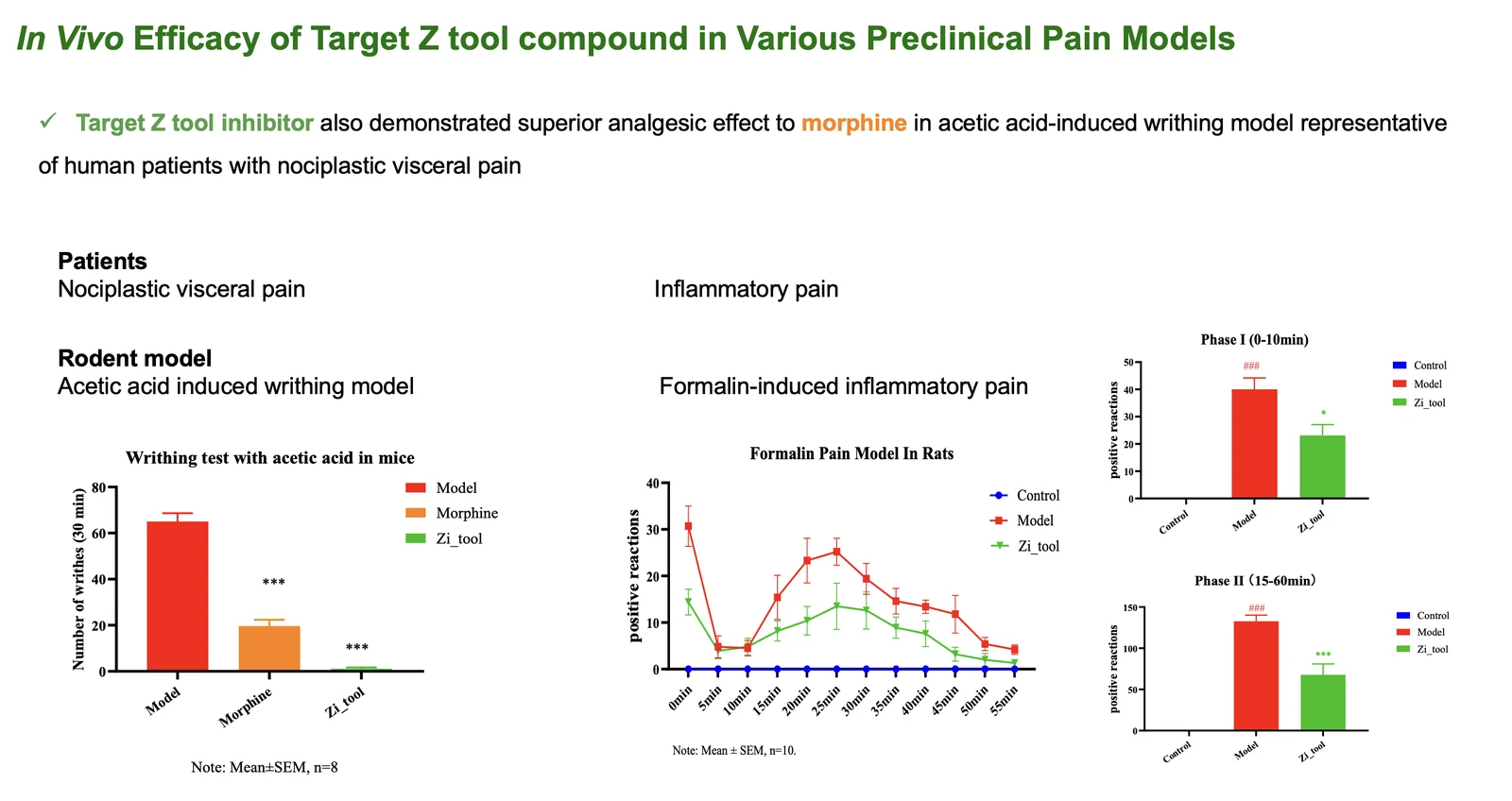
What this result did—and did not show: it showed that inhibiting Target Z could produce a striking analgesic phenotype in a specific animal assay. It did not establish safety, oral exposure, selectivity, durability in people, or that the original compound could become a medicine.
The result was so strong that we became more skeptical, not less. We repeated work, checked dosing and formulation, looked for behavioral artifacts, and asked whether impaired movement could be masquerading as analgesia. We then turned to genetics.
The knockout changed the question
If the pharmacological effect came from Target Z, then removing the target genetically should change pain behavior. Target Z knockout mice were therefore tested in a spinal-nerve-ligation model of neuropathic pain.
The knockout animals were less sensitive to mechanical stimuli after injury than wild-type controls. The effect size was comparable in direction and scale to published observations in NaV1.8 knockout mice, and western blotting confirmed loss of the Target Z protein.
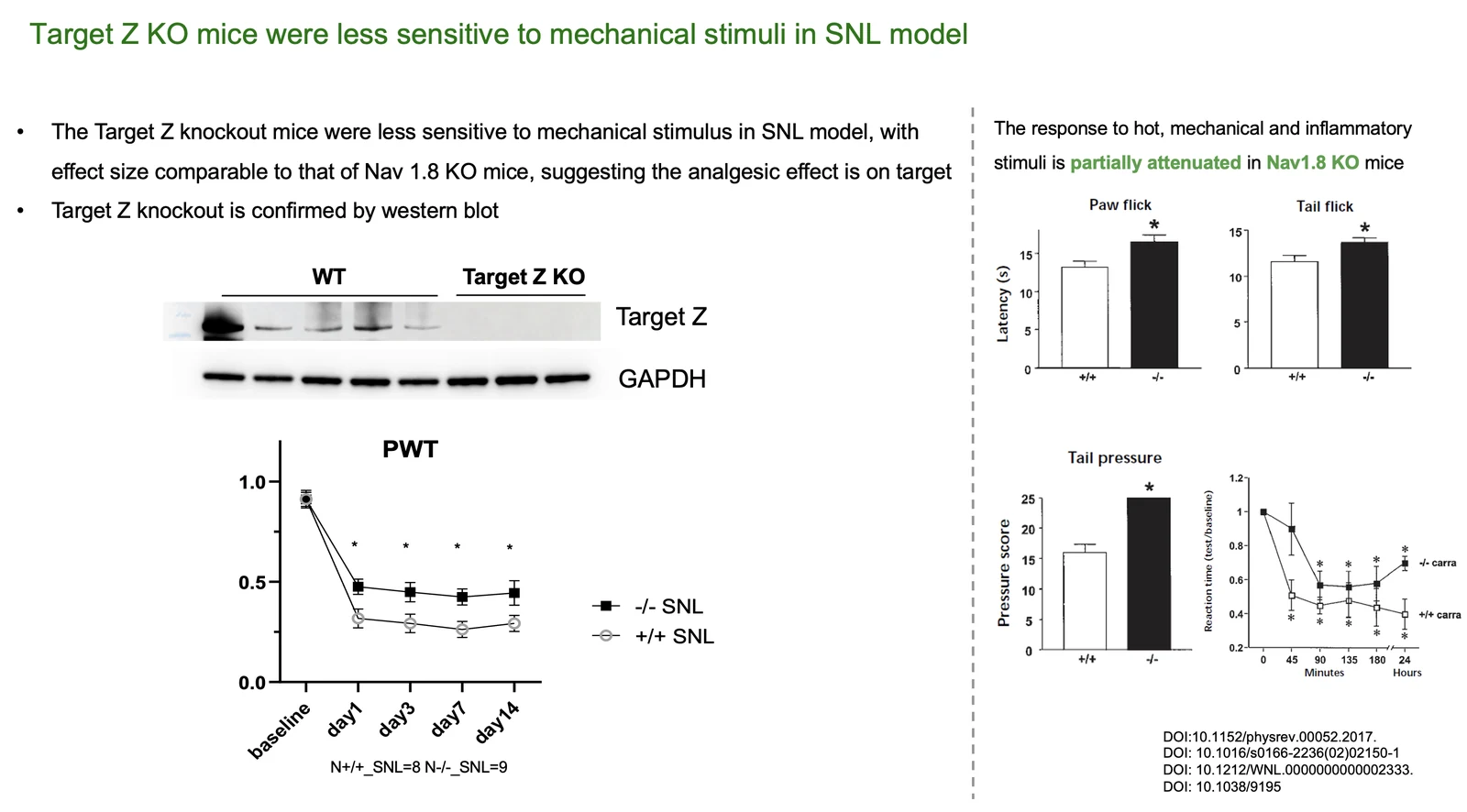
Now the question was no longer whether we had seen an odd pharmacological artifact. The question became whether we could design a real molecule around the biology.
From an improbable target to a molecule that could survive itself
The original tool compound was useful because it revealed biology. It was not suitable simply to rename and advance. A development candidate must satisfy dozens of constraints simultaneously: potency, selectivity, solubility, permeability, metabolic stability, oral exposure, brain penetration, off-target risk, manufacturability, intellectual-property position, and safety.
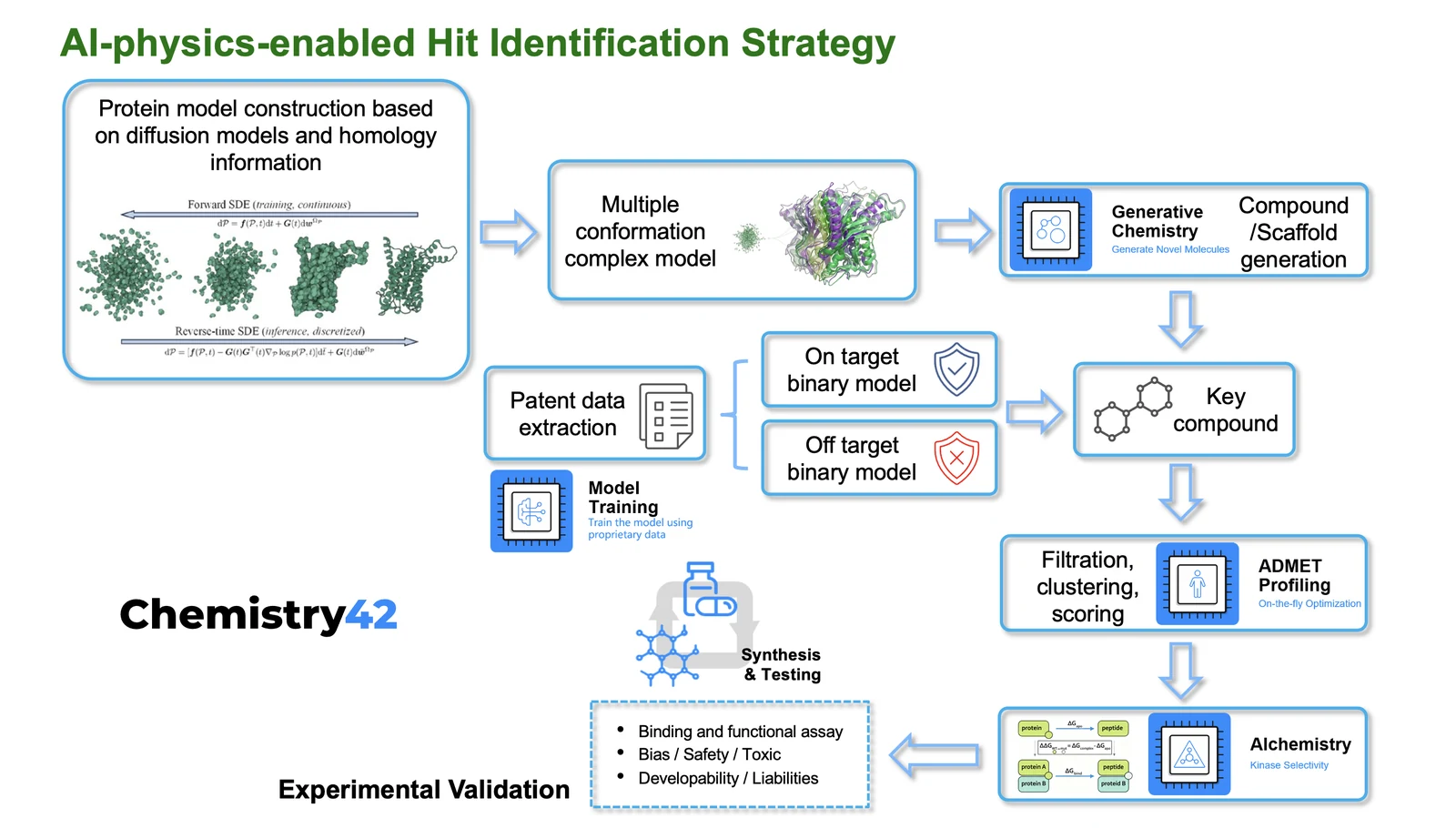
For Target Z, structural information was incomplete. Our team used diffusion models and homology information to construct protein models and explore multiple conformations. Chemistry42 then generated and filtered compounds and scaffolds. On-target and off-target models, patent-derived information, physics-based calculations, ADMET prediction, clustering, synthesis, and experimental feedback were combined into a closed loop.
We call this massive, maximal multiparameter optimization—MMMO. Think of it like building a Formula One car: the fastest engine is useless if the car cannot turn, finish the race, or keep the driver alive. Every improvement creates a new constraint. Better potency can harm solubility. Better brain penetration can increase nonspecific binding. Longer exposure can introduce accumulation. A candidate is not the molecule that wins one metric; it is the molecule that survives the entire argument.
ISM9528: the candidate born from the loop
In about a year, the program produced ISM9528, a structurally novel, oral, brain-penetrant inhibitor of Target Z. It was nominated as Insilico's 31st preclinical candidate since 2021 and the second candidate driven by our Abu Dhabi R&D team.
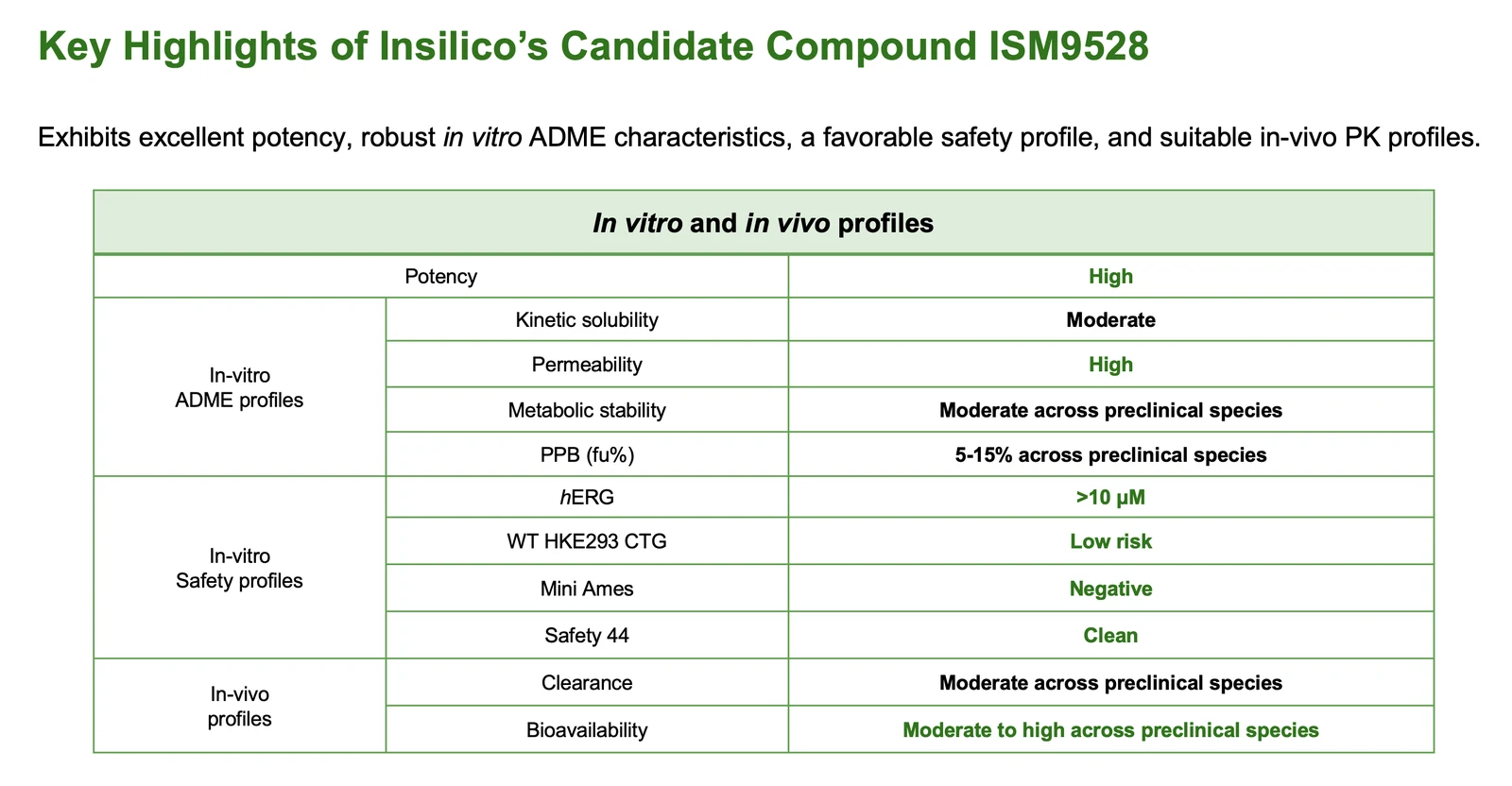
The candidate showed high potency, high permeability, moderate solubility and metabolic stability across preclinical species, moderate-to-high bioavailability, hERG activity above 10 μM, a negative Mini-Ames result, low risk in the HEK293 viability assay, and a clean Safety44 panel in the supplied program summary.
View candidate-profile data as text
- Potency: high.
- Kinetic solubility: moderate; permeability: high; metabolic stability: moderate across preclinical species; unbound fraction: 5–15% across preclinical species.
- hERG: >10 μM; HEK293 viability assay: low risk; Mini-Ames: negative; Safety44: clean.
- Clearance: moderate; bioavailability: moderate to high across preclinical species.
The candidate had to reproduce the biology
A beautiful computational profile is not enough. ISM9528 had to work in animals, by practical routes, across more than one pain model.
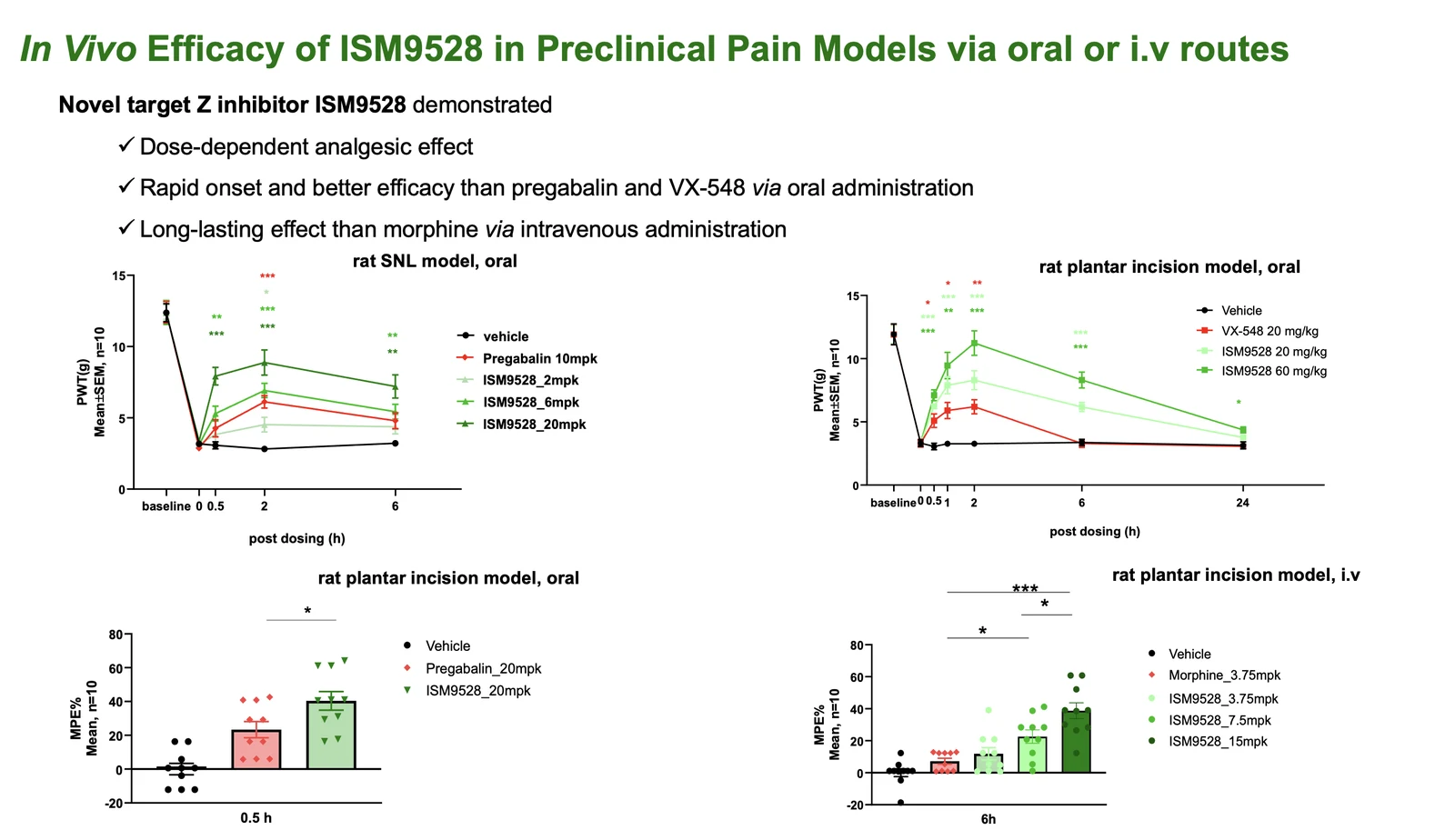
In the supplied oral studies, ISM9528 showed dose-dependent activity in a rat spinal-nerve-ligation model, with the higher dose producing a larger response than pregabalin at the tested conditions. In a plantar-incision model, oral ISM9528 showed rapid onset and greater activity than VX-548 at the tested doses, including persistence beyond the period where the comparator response had declined.
The morphine comparison on this slide asks a different question from the earlier writhing experiment. In a separate intravenous plantar-incision study, ISM9528 showed dose-dependent activity at the six-hour timepoint, while morphine at the dose shown had little effect at that point. This supports a claim of longer duration in that experiment—not a blanket claim that ISM9528 is more effective than morphine.
The efficacy result was exciting. The safety work decides whether it matters.
Most promising molecules fail because the body finds a reason to reject them. The dose-range-finding studies therefore matter at least as much as the efficacy graphs.
In 28-day studies, ISM9528 showed an estimated safety margin of approximately 41.5× in rats and 57.5× in dogs relative to the program's efficacy exposure assumptions. GLP toxicology was scheduled to begin in October 2026.
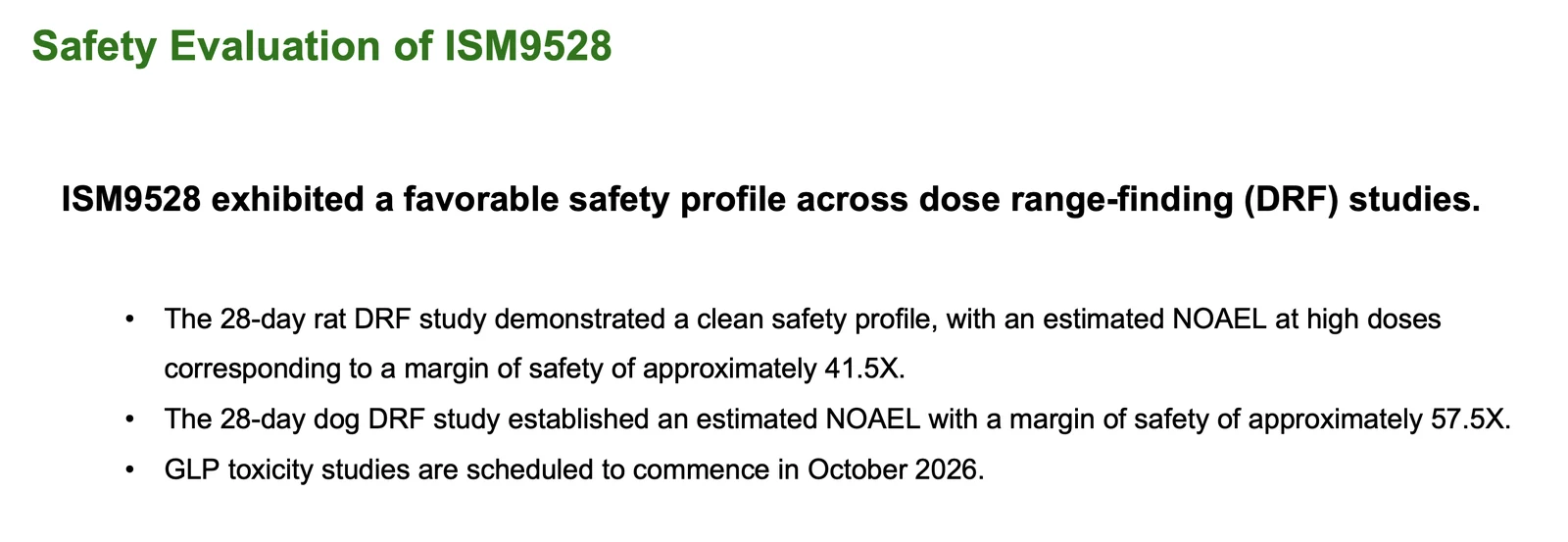
View safety summary as text
- 28-day rat dose-range-finding study: clean profile in the supplied summary; estimated NOAEL-based margin approximately 41.5×.
- 28-day dog dose-range-finding study: estimated NOAEL-based margin approximately 57.5×.
- GLP toxicity studies scheduled to commence in October 2026.
Those numbers are encouraging. They are not permission to skip humility. Target Z remains undisclosed, ISM9528 remains investigational, and no patient has yet received the molecule.
Where Target Z could fit—and why we still do not know
Pain begins and is processed across the periphery, spinal cord, and brain. Existing medicines intervene at different points, each with characteristic limitations. Peripheral agents may struggle with centrally mediated or severe pain. Central agents can bring sedation, dependence, cognitive effects, or other liabilities. Procedures and intrathecal medicines can help selected patients but are not broadly convenient.
Target Z is an attempt to explore different biological territory: an oral, brain-penetrant, non-opioid candidate intended to address both acute and neuropathic pain while maintaining selectivity and a workable safety profile. That is a design goal supported by preclinical experiments, not yet a clinical conclusion.
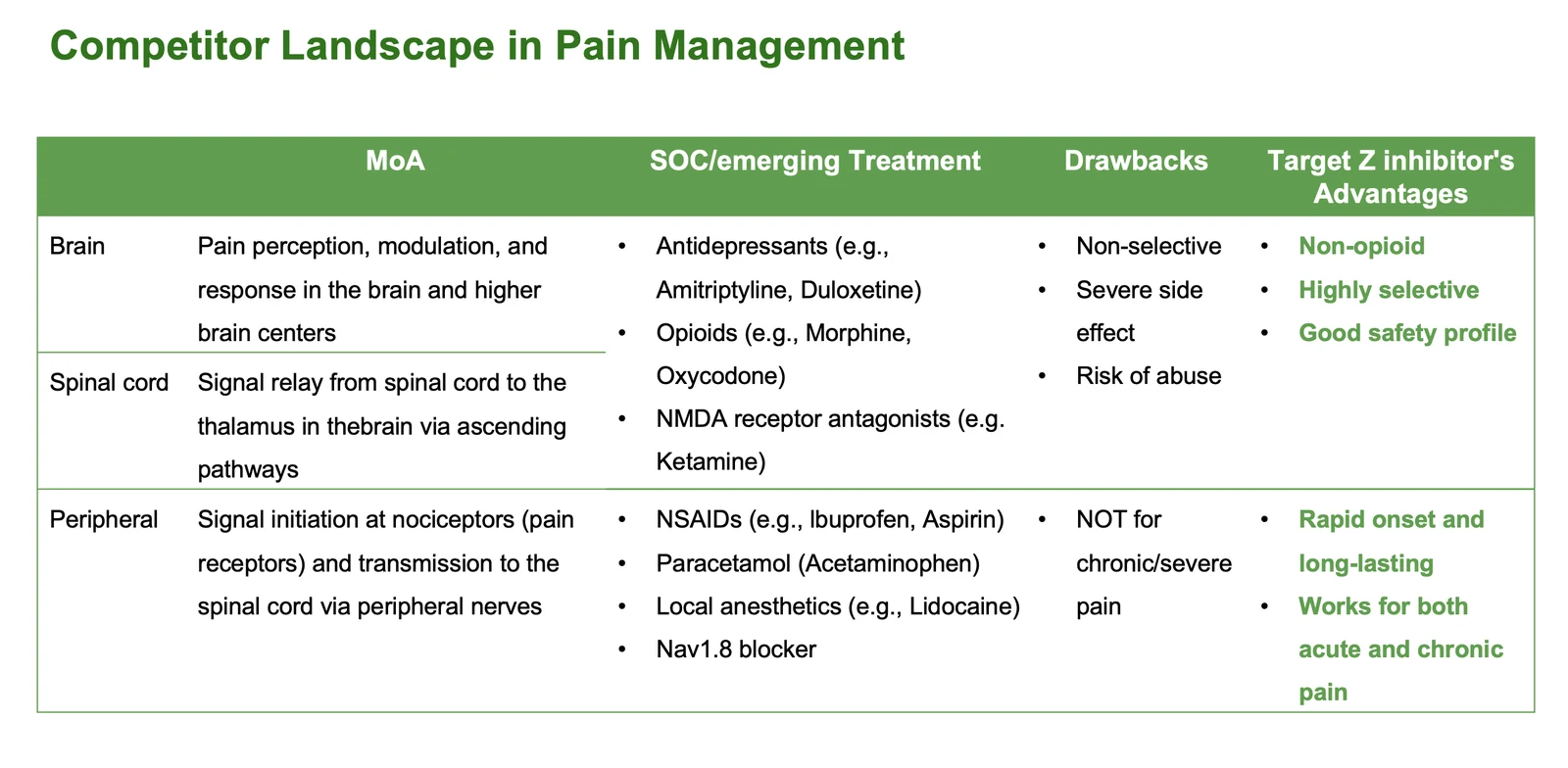
View treatment landscape as text
- Brain / central options include antidepressants, opioids, and NMDA-receptor antagonists, with class-specific risks including non-selectivity, adverse effects, or abuse potential.
- Peripheral options include NSAIDs, acetaminophen, local anesthetics, and NaV1.8 blockade, each with limitations in breadth, severity, duration, or tolerability.
- The intended Target Z profile is non-opioid, selective, brain-penetrant, rapid-onset and durable across acute and neuropathic preclinical models; none of those properties yet establishes clinical benefit.
The whole program in one picture
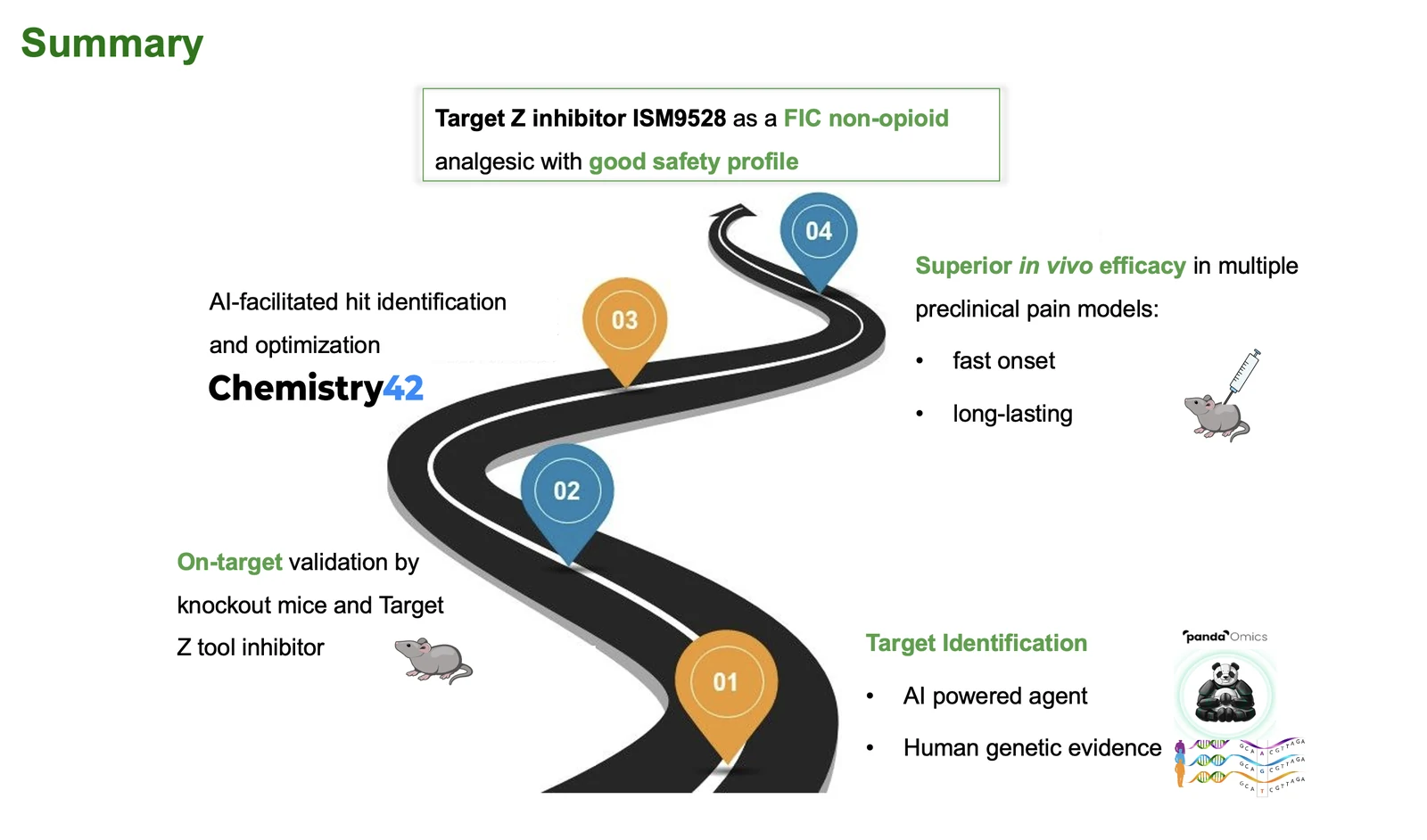
When I look at Target Z, I do not see a single lucky experiment or a single AI model. I see a chain in which each link forced the next one to earn its place:
- AI-assisted target and indication discovery assembled evidence humans had not previously turned into a pain program.
- A curious human team used spare assay capacity to test an unconventional idea.
- Pharmacology and knockout genetics provided independent evidence that the phenotype belonged to Target Z.
- AI, physics, chemistry, and experimentation converted the biology into ISM9528.
- Cross-model efficacy and safety studies determined whether the candidate deserved IND-enabling development.
What AI did—and what only people could do
AI did not independently discover a medicine and hand it to us. It expanded the searchable hypothesis space, integrated evidence, proposed and prioritized molecules, predicted liabilities, and helped navigate a multiparameter landscape too large for unaided intuition.
People created the opportunity. People chose to use the extra assay slots. People distrusted the beautiful result, repeated the work, designed the knockout study, synthesized compounds, examined animals, interpreted artifacts, and decided when the evidence justified the next experiment.
The most productive unit in this story was neither “AI” nor “human.” It was a scientific system in which machine intelligence made more unusual ideas visible and human curiosity decided which ones deserved reality.
One step from the clinic—and still a long way from a medicine
ISM9528 is entering IND-enabling development. GLP toxicology was planned from October 2026, with clinical entry targeted for 2027. That is close enough to be exciting and far enough to require discipline.
Animal models do not predict human pain perfectly. Exposure can change across species. A clean preclinical panel can miss clinically relevant biology. A novel central mechanism may reveal benefits—or liabilities—we have not yet imagined. Human studies must decide.
We hope to publish the full study once we select the right pharmaceutical partner for the program, or once we advance it into the clinic ourselves. Until then, these data should be read for what they are: a compelling preclinical chain from unexpected result to development candidate, not proof of a new medicine.
Thank you to everyone who made this possible
Discoveries like this are never the work of one person.
Thank you to everyone at Insilico—and especially the curious scientists on our neuroscience team—who worked with our AI technology to prioritize molecules for that extra pain-assay capacity at the CRO. They took an unglamorous spare slot and used it to ask a question most laboratories would have walked past.
Thank you to our early backers, who believed in the company when AI drug discovery sounded more like a slogan than an operating system for real experimental science.
Thank you to the contract research organization that let us test additional promising molecules in the extra assay slots at no cost. That practical act of scientific generosity is where this story began.
And, most importantly, thank you to the superintelligent AI itself—and to the people who built and directed the technology behind it. Its sparks of intelligence and ingenuity did not act alone; paired with human curiosity, they may help us live longer, healthier lives without pain. We are very happy to contribute to the growing power of global AI. I hope Target Z becomes one more piece of evidence that people and machines can reach places neither could reach alone.
Now biology gets the final vote.
Sources and data note
- Insilico Medicine: https://insilico.com/
- PandaOmics target-discovery platform: https://insilico.com/pandaomics
- Chemistry42 generative-chemistry platform: https://insilico.com/chemistry42
- FDA approval of suzetrigine, a first-in-class NaV1.8 inhibitor for acute pain: FDA press announcement
- CDC: chronic pain and high-impact chronic pain among US adults: CDC Data Brief 518
- WHO low-back-pain fact sheet: WHO
Data note. The program illustrations and quantitative candidate, efficacy, pharmacokinetic, and safety statements in this article are drawn from the supplied Insilico Medicine Target Z: FIC Project for Pain deck dated July 2026 and associated preclinical program materials. Target Z remains undisclosed. The Target Z tool inhibitor and ISM9528 are different molecules connected by the same target and program. Comparator findings are specific to the animal models, doses, routes, time points, and experimental conditions shown. All efficacy and safety findings described are preclinical unless explicitly stated otherwise. ISM9528 is investigational; human efficacy and safety have not been established.